
What is a prepaid meter? Learn how it works, its benefits, costs, and why many households prefer pay-as-you-go energy systems.
A prepaid meter is a pay-as-you-go system for electricity or gas. You load credit in advance, and the meter deducts usage as you consume energy. When the balance runs out, the supply stops until you recharge.
I remember the first time I heard about prepaid meters, it wasn’t from a manual or a blog. It was from a neighbor shouting, “The credit finished again!”
At first, I thought it sounded inconvenient. Why would anyone choose a system where electricity can just… stop? But then I started noticing something else. Their bills were predictable. No surprises. No “how did it get this high?” moments.
That curiosity pulled me in.
So I started asking questions. Reading. Comparing. And slowly, this idea of a prepaid meter began to feel less like a limitation, and more like control.
What Is a Prepaid Meter? (A Clear Explanation)
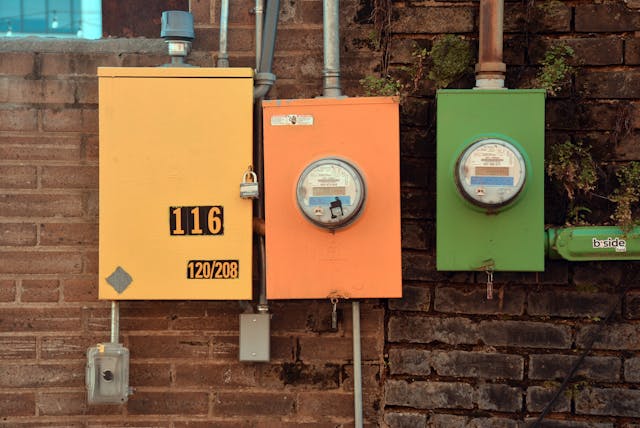
A prepaid meter is a utility meter that requires users to pay for electricity or gas before they use it. Instead of receiving a bill at the end of the month, you load credit into the meter, and it deducts units as energy is consumed.
Think of it like mobile balance.
You recharge your phone before making calls. A prepaid meter works the same way, but for power.
Prepaid meters help households avoid debt by eliminating postpaid billing cycles.
It’s simple. Almost too simple. And maybe that’s why it’s becoming so common.
How Does a Prepaid Meter Work?
The mechanism is surprisingly straightforward, but there’s something fascinating about how quietly it manages your energy use.
Step-by-Step Process
- You purchase credit (via card, app, or voucher).
- The credit is loaded into the meter.
- The meter tracks your energy consumption.
- It deducts the cost in real time.
- When credit reaches zero, supply disconnects automatically.
That last part feels harsh, but it’s also honest.
No hidden costs. No delayed consequences.
Real-Life Example
Imagine you load 1,000 PKR into your prepaid meter.
Each unit of electricity costs around 30 PKR.
As you use appliances, fans, lights, AC, the meter subtracts from your balance. Slowly. Invisibly. Until one day, maybe at 2 AM, it hits zero.
And everything stops.
That moment teaches you something no bill ever could.
Types of Prepaid Meters
Not all prepaid meters are created equal. And honestly, I didn’t realize that until I started comparing them.
Standard Prepaid Meter
Basic, reliable, and widely used. You load credit and consume energy. That’s it.
Smart Prepaid Meter
This one feels like the future.
It connects to apps, tracks usage patterns, and even sends alerts when your balance is low.
Smart prepaid meters provide real-time consumption data, helping users optimize energy usage.
Token-Based Meter
You receive a code (token) after purchasing credit. Enter it into the meter, and your balance updates.
Old-school. But still effective.
Why People Choose Prepaid Meters
At first, I assumed prepaid meters were just for people trying to avoid big bills. But the reasons go deeper.
1. Budget Control
You only use what you’ve already paid for.
No debt. No surprises.
2. Transparency
Every unit is accounted for.
You can literally watch your money turn into electricity.
3. Energy Awareness
This one surprised me the most.
When you see your balance dropping, you start making different choices. Turning off lights. Using AC less. Being intentional.
4. No Monthly Billing Hassle
No waiting. No disputes. No estimated bills.
But here’s the contradiction…
The Downsides No One Talks About
Prepaid meters aren’t perfect. And pretending they are would miss the point.
1. Sudden Disconnection
If your credit runs out, your power cuts instantly.
No grace period. No warning beyond a beep.
2. Frequent Recharging
It can feel like topping up your phone every few days, except this time, it’s your entire home.
3. Higher Tariffs (Sometimes)
In some regions, prepaid rates are slightly higher than postpaid systems.
4. Psychological Pressure
There’s a subtle stress in constantly watching your balance.
It’s not overwhelming, but it’s there.
Prepaid Meter vs Postpaid Meter
This is where things really clicked for me. Seeing the difference side by side made everything clearer.
| Feature | Prepaid Meter | Postpaid Meter |
| Payment Timing | Before usage | After usage |
| Billing | No monthly bill | Monthly bill issued |
| Control | High | Moderate |
| Risk of Disconnection | Immediate when balance ends | After due date |
| Budgeting | Easier | Can be unpredictable |
| Debt Risk | None | Possible |
It’s not about which is better.
It’s about which fits your lifestyle.
Where Are Prepaid Meters Commonly Used?
I used to think prepaid meters were rare. Turns out, they’re everywhere.
Residential Homes
Especially in urban areas and rental properties.
Student Accommodations
Landlords prefer prepaid systems to avoid billing disputes.
Commercial Spaces
Small shops and offices use them to manage costs tightly.
Developing Regions
In many countries, prepaid meters help utilities reduce unpaid bills.
Prepaid energy systems are widely adopted in regions with high billing inefficiencies.
Are Prepaid Meters Safe and Reliable?
This question lingered in my mind longer than I expected.
The short answer? Yes.
Modern prepaid meters are designed with safety standards similar to traditional meters. They accurately measure usage and prevent tampering.
But reliability depends on infrastructure.
If the system is poorly managed, users may face issues like delayed credit updates or faulty readings.
Still, in most cases, they work exactly as intended.
Quietly. Consistently.
A Subtle Shift in Mindset
Here’s something I didn’t expect.
Using a prepaid meter doesn’t just change how you pay, it changes how you think.
Electricity stops being invisible.
It becomes something you feel.
Every fan left on. Every unnecessary light. Every hour of AC.
You start noticing patterns. Habits. Waste.
And slowly, without forcing it, you become more mindful.
FAQ: What People Usually Ask
What happens when prepaid meter credit runs out?
The electricity or gas supply stops immediately until you recharge the meter.
Can I check my prepaid meter balance?
Yes, most meters display the remaining balance or provide it through an app or code.
Is a prepaid meter more expensive?
Sometimes slightly, depending on the region and tariff structure.
Can I switch from prepaid to postpaid?
In many areas, yes, but it depends on utility policies and installation requirements.
Do prepaid meters save electricity?
Not directly, but they encourage better usage habits, which often leads to lower consumption.
Key Takings
- A prepaid meter lets you pay for energy before using it, like mobile balance.
- It offers strong control over budgeting and eliminates surprise bills.
- Electricity cuts instantly when credit runs out, which can be both helpful and stressful.
- Smart prepaid meters provide real-time usage insights for better decisions.
- Compared to postpaid systems, prepaid meters reduce debt risk but require active management.
- They subtly shift your mindset toward energy awareness and conscious consumption.
- Choosing a prepaid meter depends more on lifestyle than cost alone.
Additional Resources:
- Energy Saver Guide (U.S. Department of Energy): A practical guide to saving energy at home with actionable tips for reducing consumption and improving efficiency.