

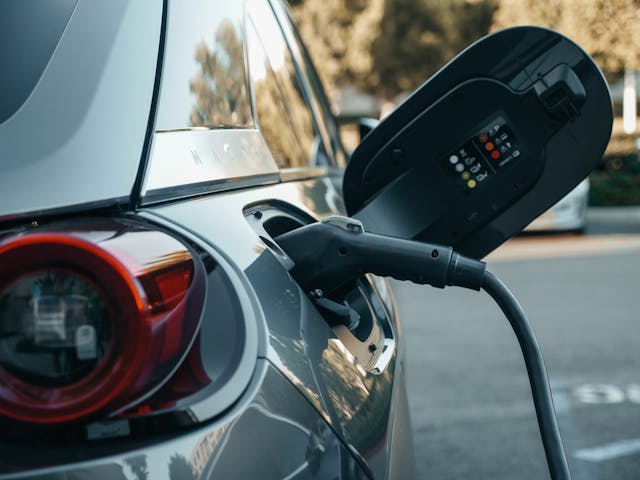
What is stranded energy in an EV situation? Learn why some battery energy becomes inaccessible and how it affects EV range.
Stranded energy in an EV situation is battery energy that remains stored inside an electric vehicle battery but cannot be accessed or used by the vehicle. The energy still exists physically inside the battery cells, but safety systems, temperature conditions, battery aging, or cell imbalances prevent it from being used. In simple terms, it is energy that is there, but unavailable.
When most people think about an electric vehicle battery, they imagine something straightforward. Charge it up, drive until it’s empty, recharge, and repeat.
That’s exactly how I used to think about it too.
Then I stumbled across the concept of stranded energy, and suddenly the whole picture became more interesting.
Imagine finding a forgotten twenty-dollar bill inside an old jacket. The money was always there. You simply couldn’t access it because you didn’t know it existed. Stranded energy works in a similar way. The energy remains inside the battery, yet for various technical reasons, the vehicle cannot tap into it.
At first glance, this sounds inefficient. Why would manufacturers intentionally leave energy unused? Why not allow drivers to access every last bit of electricity they paid to charge?
The answer reveals something fascinating about modern battery technology.
Electric vehicles are not simply storing electricity. They are constantly balancing performance, safety, longevity, temperature, chemistry, and engineering limitations. Somewhere in that balancing act, a portion of the battery’s energy becomes inaccessible.
That inaccessible portion is what engineers call stranded energy.
Understanding it helps explain why EV range changes, why batteries age, why cold weather affects performance, and why the number displayed on your dashboard is only part of the story.
What Is Stranded Energy in an EV Situation?
Stranded energy refers to electrical energy that remains physically stored inside an electric vehicle battery but cannot be safely used by the vehicle.
The key phrase here is physically stored.
This energy has not disappeared.
It has not leaked away.
It still exists inside the battery pack.
However, the vehicle’s software and battery management systems prevent access to it because using that energy could create safety risks, accelerate battery degradation, or damage individual battery cells.
In practical terms, stranded energy is like having fuel locked inside a tank that the engine cannot reach.
The energy is real.
The access is limited.
A Simple Definition
If you need a one-sentence explanation:
Stranded energy is usable electrical energy trapped behind safety, temperature, or battery management limitations inside an EV battery.
That definition captures the essence of the concept without oversimplifying the engineering behind it.
Why Does Stranded Energy Exist?
This is where things become surprisingly logical.
Most drivers assume the goal of battery design is to maximize every possible mile of range.
But engineers are often solving a different problem.
They are trying to maximize battery lifespan.
Those goals are not always identical.
Batteries Hate Extremes
Lithium-ion batteries perform best within specific operating limits.
They dislike:
- Extreme heat
- Extreme cold
- Full discharge
- Constant overcharging
- Excessive current flow
Allowing drivers unrestricted access to the entire battery capacity would expose cells to conditions that accelerate degradation.
Manufacturers therefore create protective boundaries.
Some energy is intentionally reserved at the top and bottom of the charge range.
This reserve energy becomes inaccessible during normal operation.
The result is a healthier battery over the long term.
Safety Comes Before Capacity
Modern EV batteries contain enormous amounts of stored energy.
A typical electric vehicle battery may hold enough energy to power an average home for several days.
Managing that energy safely is not optional.
Battery management systems continuously monitor conditions and make thousands of decisions every second.
Whenever the system detects risk, it limits access to certain portions of stored energy.
That energy becomes stranded, not because it is useless, but because safety takes priority.
Understanding the Battery Management System
The Battery Management System, often called the BMS, is the hidden brain behind every electric vehicle battery.
Without it, modern EVs would not function reliably.
Think of the BMS as a highly cautious guardian.
Its job is not to maximize range.
Its job is to protect the battery.
What the BMS Monitors
The system continuously tracks:
- Battery temperature
- Cell voltage
- Current flow
- State of charge
- State of health
- Charging speed
- Discharge rates
Every measurement influences how much energy the vehicle can safely access.
When conditions fall outside acceptable limits, the BMS restricts battery usage.
The energy remains inside the battery but becomes temporarily or permanently inaccessible.
That inaccessible portion is stranded energy.
Why Drivers Never Notice
Most drivers never see stranded energy directly.
Instead, they notice symptoms.
For example:
- Reduced range
- Slower charging
- Lower acceleration
- Performance limitations
The BMS quietly makes these decisions behind the scenes.
The dashboard only shows the final result.
The Hidden Battery Buffer
One of the biggest sources of stranded energy is something called a battery buffer.
Many EV owners are surprised to learn that their battery is rarely operating at true 0% or true 100%.
What Happens at 100%?
When your dashboard shows 100%, the battery often isn’t actually full.
Manufacturers reserve a small amount of capacity above the displayed maximum.
This buffer protects the battery from overcharging stress.
What Happens at 0%?
The same principle applies at the lower end.
When an EV displays 0%, some energy often remains inside the battery.
Manufacturers intentionally keep a reserve to prevent deep discharge damage.
This reserve energy is technically present.
Yet the vehicle cannot access it.
That’s stranded energy in action.
How Battery Cell Imbalance Creates Stranded Energy
A battery pack is not one giant battery.
It consists of hundreds or thousands of smaller cells working together.
This creates a challenge.
No two cells are perfectly identical.
Tiny Differences Matter
Every battery cell ages differently.
Some cells:
- Lose capacity faster
- Heat up more quickly
- Develop higher resistance
- Reach voltage limits sooner
These differences may seem minor initially.
Over thousands of charging cycles, they become significant.
The Weakest Cell Sets the Limit
An EV battery operates as a connected system.
If one cell reaches a critical voltage threshold, the BMS must stop discharging the entire battery pack.
This happens even if many other cells still contain usable energy.
Imagine a rowing team.
If one rower becomes exhausted, the boat slows down regardless of how strong the others remain.
Battery packs operate in much the same way.
The weakest cell often determines the pack’s usable capacity.
Everything left behind becomes stranded energy.
Temperature and Stranded Energy
Temperature may be the most underestimated factor affecting EV batteries.
Many people assume cold weather simply reduces battery capacity.
The reality is more complicated.
Cold Weather Doesn’t Destroy Energy
In many cases, the energy remains inside the battery.
The challenge is accessibility.
Cold temperatures slow the chemical reactions responsible for energy transfer.
As resistance increases, voltage behavior changes.
To protect the battery, the BMS restricts energy usage.
The energy becomes temporarily stranded.
This is one reason winter driving often reduces EV range.
The battery may contain more energy than the vehicle can safely use.
Heat Creates Different Problems
High temperatures create the opposite challenge.
Instead of slowing reactions, heat accelerates them.
This increases degradation risk.
To protect long-term battery health, the BMS may reduce charging speeds or limit power output.
Again, energy remains present.
Access becomes restricted.
Stranded energy emerges from a completely different cause.
How Battery Aging Increases Stranded Energy
Every rechargeable battery ages.
There is no way around it.
The important question is how aging affects energy accessibility.
Capacity Loss Is Only Part of the Story
Most discussions about battery aging focus on capacity loss.
For example, a battery that originally held 100 kWh may only hold 90 kWh years later.
But aging affects more than capacity.
It also affects balance.
As cells age unevenly, energy becomes increasingly difficult to utilize efficiently.
This means stranded energy can grow even when total battery capacity remains relatively high.
Why Older EVs May Feel Different
Drivers sometimes notice that older EVs seem less predictable.
Range estimates fluctuate more.
Performance varies more frequently.
Charging behavior changes.
Part of this experience can be traced to increasing levels of stranded energy caused by cell aging and imbalance.
Real-World Effects of Stranded Energy
For most drivers, stranded energy matters because of what it changes.
Not because of what it is.
Reduced Range
The most visible effect is reduced driving range.
Energy that cannot be accessed cannot move the vehicle.
Even though the battery contains energy, the driver experiences fewer available miles.
Slower Performance
Power delivery may also be affected.
When battery conditions become less favorable, the BMS may restrict output.
Drivers can notice:
- Reduced acceleration
- Lower peak power
- Temporary performance limits
Charging Limitations
Stranded energy can influence charging behavior as well.
The BMS may limit charging speeds when battery conditions require additional protection.
This is particularly common during extreme temperatures.
Stranded Energy vs Lost Energy
These concepts are often confused.
They are not the same thing.
Lost Energy
Lost energy has already disappeared from the system.
Examples include:
- Heat losses
- Charging inefficiencies
- Electrical resistance losses
Stranded Energy
Stranded energy still exists.
The vehicle simply cannot access it.
This distinction is important because stranded energy represents untapped potential rather than actual loss.
Stranded Energy vs Renewable Energy Curtailment
The phrase “stranded energy” appears outside the EV world as well.
In renewable energy systems, it often describes electricity that cannot be delivered to consumers because transmission infrastructure is insufficient.
Although the contexts differ, the underlying concept remains similar.
Energy exists.
Access does not.
Whether inside a battery pack or across a power grid, stranded energy represents potential that cannot be fully utilized.
Can Stranded Energy Be Reduced?
The short answer is yes.
The longer answer is that manufacturers are already working on it.
Better Software
Advanced battery management algorithms improve energy utilization.
Smarter balancing reduces cell differences.
Better monitoring increases efficiency.
Improved Thermal Systems
Modern EVs increasingly use sophisticated thermal management systems.
Keeping batteries within ideal temperature ranges helps reduce temporary energy stranding.
Advanced Battery Chemistries
Future batteries are expected to offer:
- Better temperature tolerance
- Longer lifespan
- Improved consistency
- Lower degradation rates
Each improvement helps reduce stranded energy.
The Future of Stranded Energy in EVs
As battery technology evolves, stranded energy may become less significant.
But it will probably never disappear entirely.
Every battery system requires protective margins.
Every engineering decision involves tradeoffs.
The goal is not eliminating stranded energy completely.
The goal is minimizing it while maintaining safety and durability.
Future breakthroughs in solid-state batteries, artificial intelligence-driven battery management, and next-generation cell designs could dramatically reduce inaccessible energy.
Yet some level of reserve capacity will likely remain necessary.
After all, the safest battery is rarely the one pushed to its absolute limits.
Stranded Energy vs Usable Energy
| Feature | Usable Energy | Stranded Energy |
| Accessible to Driver | Yes | No |
| Powers the Vehicle | Yes | No |
| Stored Inside Battery | Yes | Yes |
| Visible Through Range Estimates | Mostly | Usually Not |
| Affected by Temperature | Yes | Yes |
| Influenced by Aging | Yes | Yes |
| Controlled by Battery Management System | Yes | Restricted |
FAQ Section
What is stranded energy in an EV situation?
Stranded energy is electrical energy stored inside an EV battery that cannot be safely accessed because of battery management restrictions, temperature conditions, or cell limitations.
Is stranded energy the same as battery degradation?
No. Battery degradation refers to permanent capacity loss, while stranded energy refers to energy that still exists but remains inaccessible.
Does every electric vehicle have stranded energy?
Yes. Nearly all modern EVs contain some amount of stranded energy because battery protection systems reserve capacity for safety and longevity.
Can stranded energy be recovered?
Sometimes. Changes in temperature, battery balancing, or operating conditions can restore access to energy that was temporarily stranded.
Does stranded energy affect driving range?
Yes. Increased stranded energy reduces the amount of battery energy available for powering the vehicle, which can lower effective range.
Key Takings
- Stranded energy in an EV situation is energy stored in the battery that cannot be accessed.
- Battery Management Systems intentionally create energy reserves to protect battery health.
- Cell imbalance is a major cause of stranded energy.
- Cold temperatures often create temporary stranded energy.
- Battery aging can increase the amount of inaccessible energy.
- Stranded energy differs from lost energy because it still exists inside the battery.
- Future battery technologies aim to reduce stranded energy while preserving safety and longevity.